
Importance of Due Diligence in Real Estate Purchase in Punta Cana
Due diligence in Punta Cana real estate purchase is an essential process for foreign investors seeking to ensure the viability and profitability of their investments in a dynamic market like Punta Cana. This procedure involves a thorough review of legal, fiscal, and technical aspects of the property, ensuring the investment complies with local regulations and that no hidden risks exist.
Punta Cana offers a favorable environment for real estate investment, driven by sustained tourism growth and significant infrastructure expansion. However, the complexity of the Dominican legal framework and variability in local regulations make rigorous due diligence indispensable. This protects the investor against potential legal contingencies, title issues, or zoning restrictions.
Furthermore, the context of high tourist demand, with hotel occupancy above 71% in 2025 and an 8% increase in passengers at Punta Cana Airport, reinforces the market’s appeal but also requires detailed analysis to identify solid opportunities and avoid risks.
In summary, due diligence is a cornerstone to guarantee a secure investment aligned with the real conditions of the Punta Cana real estate market.
Source: swissinfo.ch
Source: diariolibre.com
Source: bancentral.gov.do
Notarial Process in Real Estate Purchase in the Dominican Republic
The notarial process in DR real estate purchase is a fundamental step to formalize the acquisition of real estate in the Dominican Republic. After negotiation and agreement between buyer and seller, the notarial phase begins, guaranteeing the legality and legal security of the transaction.
First, essential documents are reviewed and validated, such as the property title, registry certifications, and tax payments. The notary verifies that the property is free of liens and that the seller is the legitimate owner.
Next, the purchase deed is drafted, a public document that records all terms of the agreement. This instrument must be read and signed before the notary by both parties.
Subsequently, the notary proceeds to register the deed in the corresponding Title Registry, granting publicity and enforceability against third parties.
Finally, the payment of applicable taxes and fees is made according to current regulations.
This procedure ensures the effective and secure transfer of ownership, minimizing legal risks for the investor.
Source: Central Bank of the Dominican Republic
Source: Diario Libre
Source: Diario Hispaniola

Property Registration for Foreigners in the Dominican Republic
In the Dominican Republic, property registration for foreigners DR is an accessible and transparent process designed to facilitate international real estate investment. Foreigners can acquire and register properties without restrictions on ownership, which is an advantage for investors in Punta Cana.
For registration, certain legal and administrative requirements must be met:
- Submit the property title duly signed and notarized.
- Obtain a lien-free certificate to ensure the property is free of encumbrances.
- Pay applicable taxes, such as the real estate transfer tax, whose percentage is established by law.
- Register at the Title Registry, where ownership is legally formalized.
The process is handled before the General Directorate of Title Registry, and it is advisable to have specialized legal advice to verify document authenticity and avoid risks. This procedure is an essential part of the due diligence in Punta Cana real estate purchase, guaranteeing legal security for the foreign investor.
Source: Central Bank of the Dominican Republic
Source: Diario Libre
Source: Diario Hispaniola
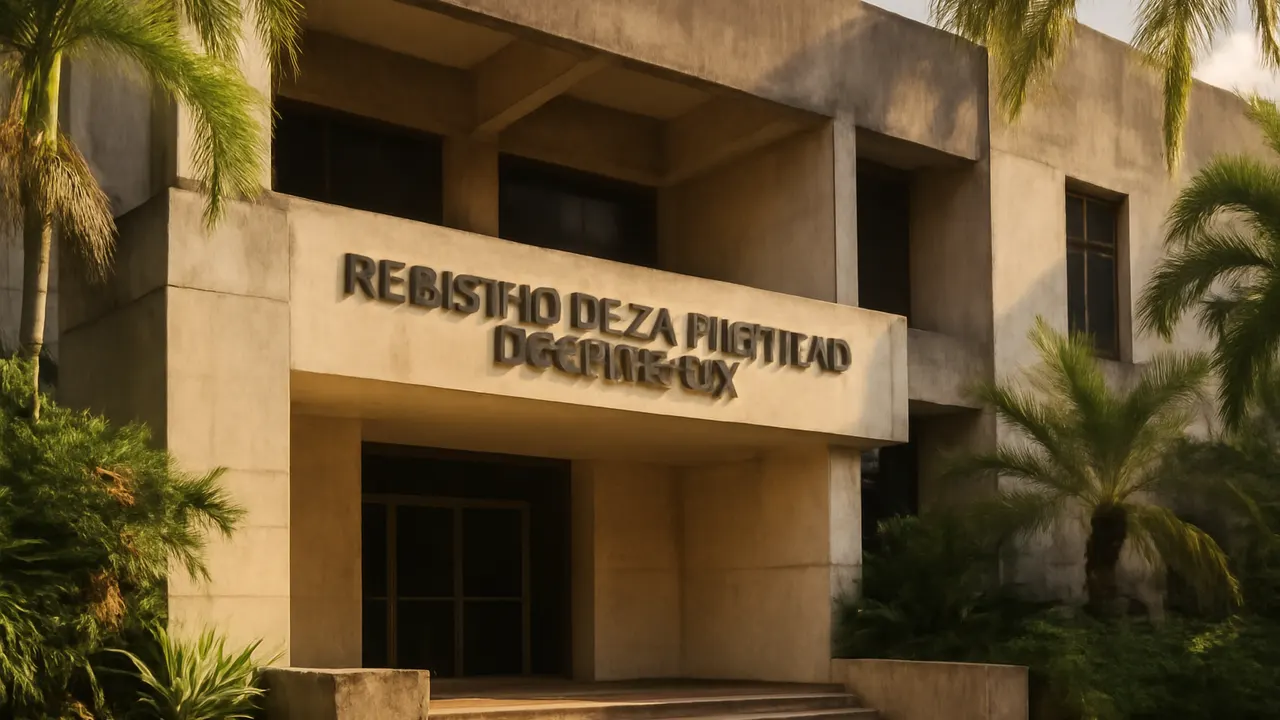
Real Estate Market Factors in Punta Cana Affecting Due Diligence
Analyzing the tourism and economic context is fundamental in the due diligence for real estate purchase in Punta Cana, as these factors directly impact the investment’s security and profitability. Punta Cana maintains sustained tourism growth, with 11.6 million visitors in 2025, representing a 4.3% increase from the previous year. This dynamic is reflected in an average hotel occupancy above 71%, supporting demand for accommodations and related services.
Additionally, tourism infrastructure is strengthened with the addition of more than 5,500 new hotel rooms in 2025, expanding the destination’s capacity and quality. The diversification of source markets, with a 24% increase in tourists from South America, and growth in cruise tourism position Punta Cana as an attractive and stable destination.
Punta Cana Airport, the main air gateway, recorded 8% growth, improving connectivity along with the opening of new air routes. These elements create a favorable environment for real estate investment, with appreciation potential backed by tourism and residential demand.
Source: swissinfo.ch
Source: diariolibre.com
Source: diariohispaniola.com
Source: diariolibre.com
Source: bancentral.gov.do
Recommendations for Effective Due Diligence in Punta Cana
To carry out an effective due diligence in Punta Cana real estate purchase, it is essential to conduct thorough research on several key aspects:
Legal verification: Confirm ownership and registration status of the property in the Title Registry. Ensure there are no liens, mortgages, or pending lawsuits.
Zoning evaluation: Check local regulations to validate that land use and construction permits are in order and allow the planned development.
Environmental and location analysis: Consider factors such as accessibility, infrastructure, and tourism development. Punta Cana experienced a 4.3% increase in visitors in 2025, with hotel occupancy above 71% and growth in hotel rooms (swissinfo.ch, diariolibre.com).
Financial review: Analyze applicable taxes, associated costs, and expected profitability. The Central Bank provides useful statistics to project income and real estate appreciation (bancentral.gov.do).
Consultations with local experts: Having legal, real estate, and financial advisors specialized in Punta Cana adds security and clarity to the process.
These recommendations help mitigate risks and leverage the potential of the real estate market in this growing region.
Frequently asked questions
What are the key documents in the notarial process for buying property in the DR?
Essential documents include the registered property title, Title Registry certification, lien-free certificate, and the purchase contract. Additionally, it is crucial to have the buyer’s ID card or passport and proof of payment of associated taxes.
What steps must a foreigner follow to register property in the Dominican Republic?
The foreigner must obtain a tax identification number (RNC or resident ID), sign the contract before a notary, and register the property at the Title Registry. It is advisable to seek legal counsel to comply with specific requirements and avoid delays.
How does tourism growth influence property valuation in Punta Cana?
Tourism growth, which accounts for nearly 18% of GDP according to WTTC, drives demand for residential and vacation properties, increasing their value. Hotel occupancy and a steady flow of visitors support real estate appreciation in the area.
What risks does due diligence cover in a real estate purchase in Punta Cana?
Due diligence verifies the legality of the title, possible liens, and the fiscal status of the property. It also evaluates zoning and environmental aspects to ensure a secure investment and avoid future legal issues.
The indicators are public data from cited sources. They do not represent the performance of any project nor constitute investment advice. Documentation under NDA.
Information by appointment
Project data is shared under NDA in a private meeting. Corporate documentation, construction plan and commercialization structure on request.
Request a private visit